Not towers, but human scale. What is horizontal architecture, why is it so loved in the Aegean, and how does it meet loft living?
When you first see a development and find it "warm" or "cold", there is often an unnoticed choice behind it: whether the architecture is horizontal or vertical. Horizontal architecture is increasingly preferred, especially in the Aegean region. So what exactly is it, and why is it so loved?
What is horizontal architecture?
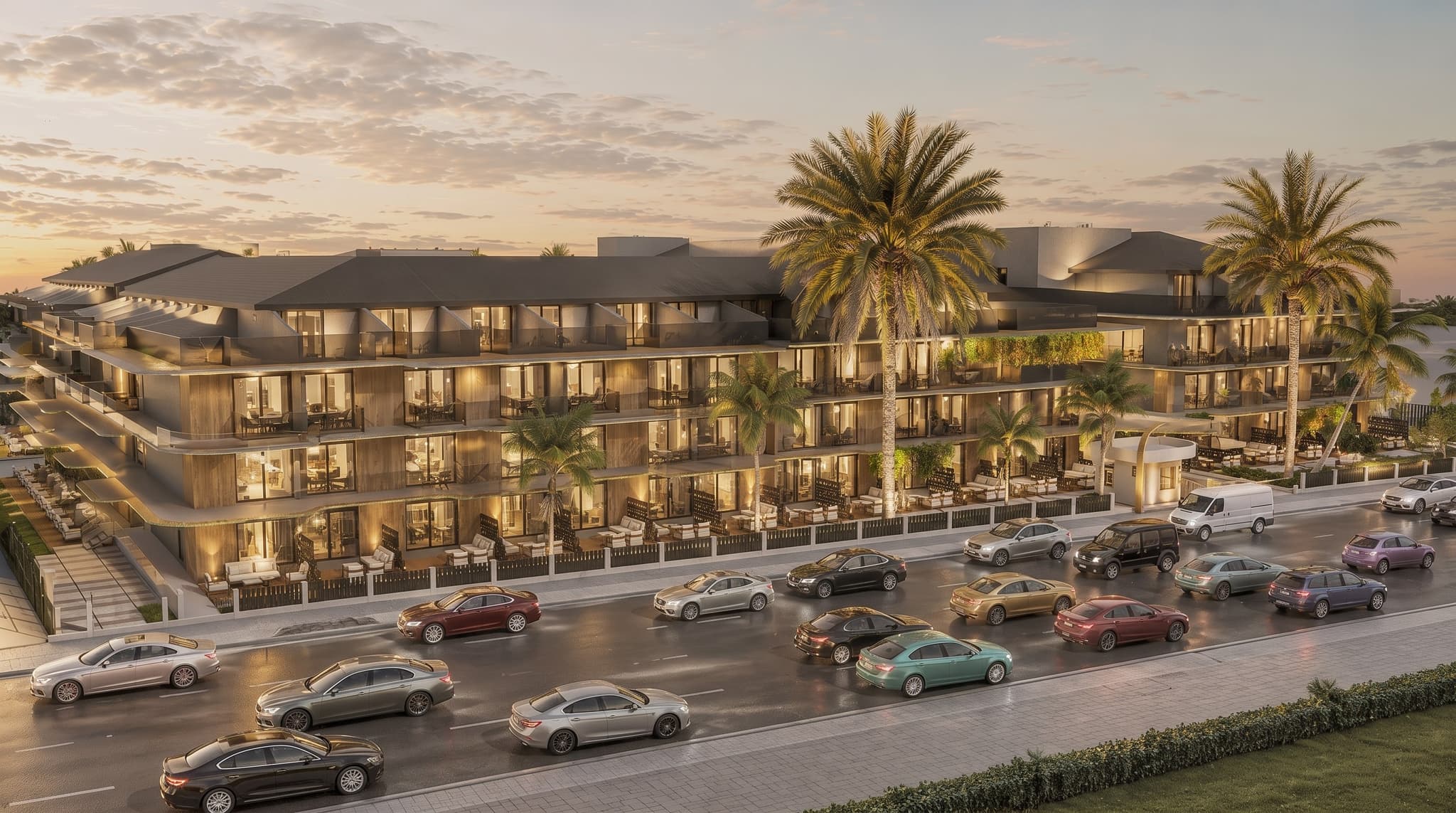
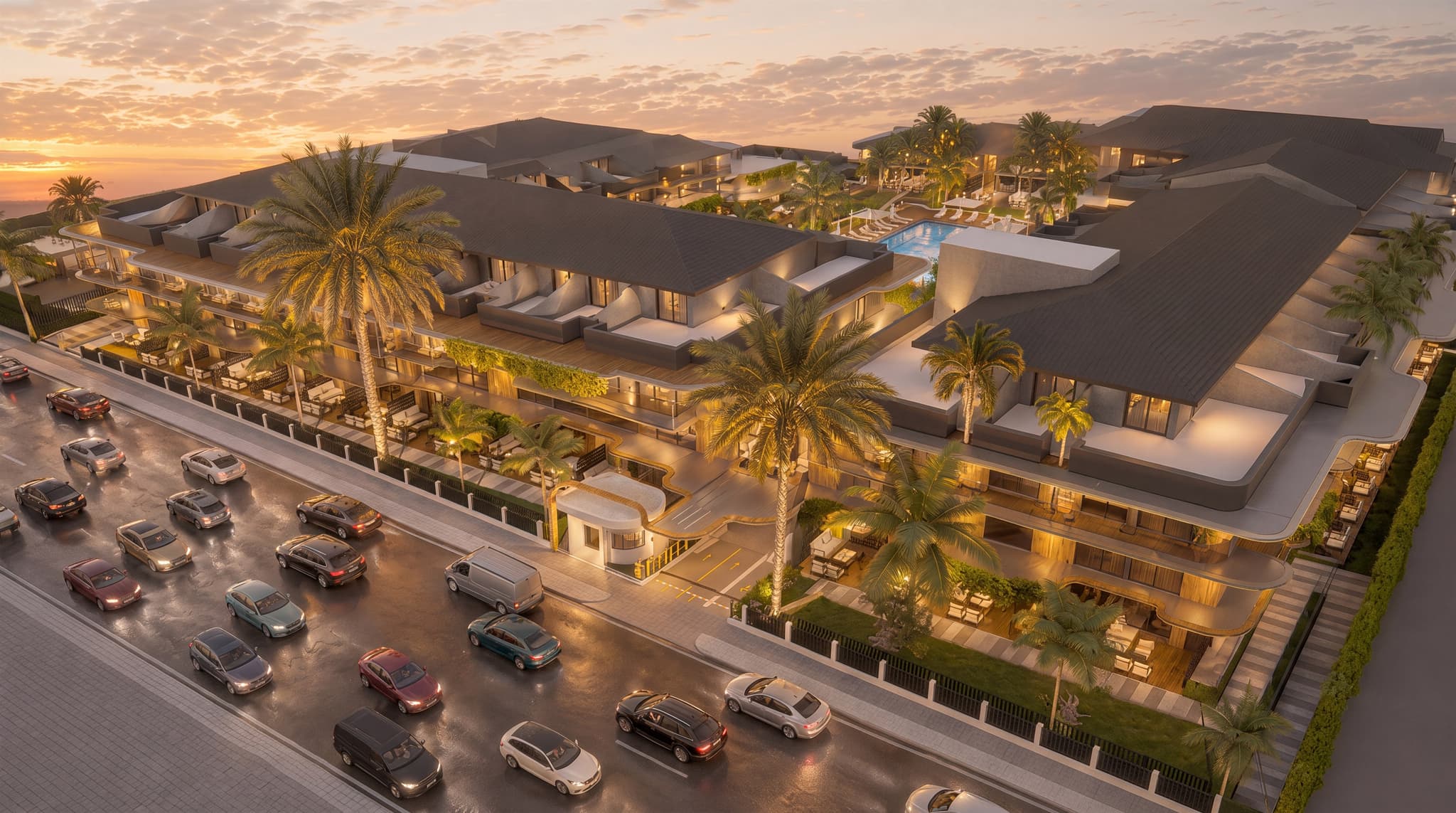
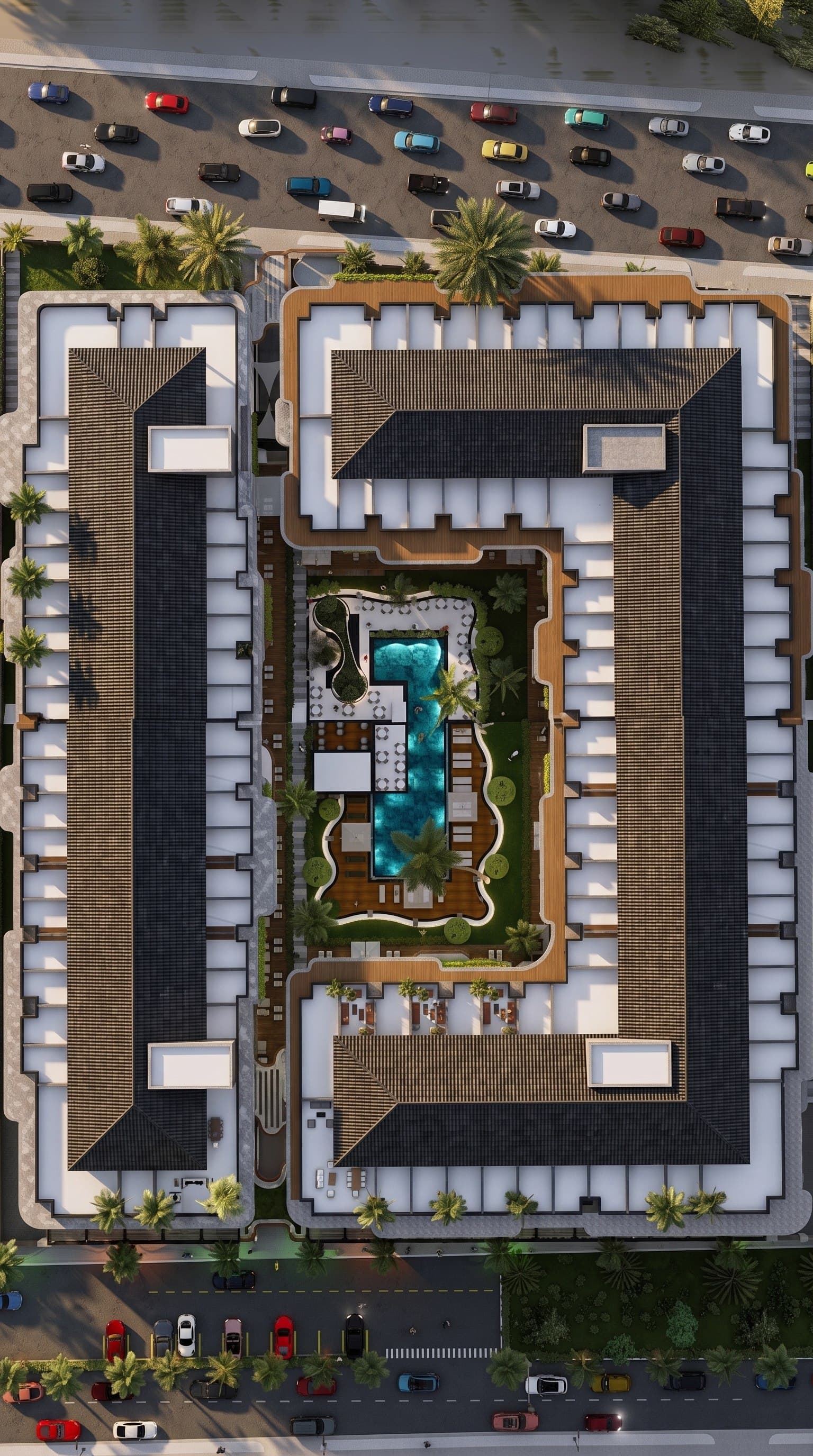
Horizontal architecture is a design approach where buildings are composed along width rather than height. Instead of a single tower with dozens of floors, lower blocks that spread across the land are preferred. In this approach, buildings stay close to human scale; courtyards, gardens and shared spaces sit at the heart of the structure. The aim is not to push density upward and separate people, but to keep life close to the ground and to one another.
Why so popular in the Aegean?
The Aegean's climate and way of life naturally align with horizontal architecture. Plenty of sun and mild weather make open courtyards, gardens and terraces usable year-round. The close relationship Aegean people have with the street, the neighbour and nature is strengthened by a layout that keeps people near the ground. And in a geography that lives with the reality of earthquakes, lower buildings on a wider base also feel psychologically reassuring. All of this makes horizontal architecture a cultural, not merely aesthetic, choice for the Aegean.
Horizontal vs. vertical — a comparison
- Scale: Vertical architecture reaches for the sky; horizontal stays at human size.
- Shared life: In tall towers neighbourliness is limited to the lift; horizontally, courtyards and gardens bring people together.
- Access to nature: In horizontal projects most flats open directly onto a garden, terrace or green space.
- Daily comfort: In low-rise buildings, lift dependence drops and circulation is easier.
- Light and air: Blocks spread across the land give flats more balanced daylight and air flow.
- Belonging: A human-scale settlement creates a stronger sense of "this is mine" in its residents.
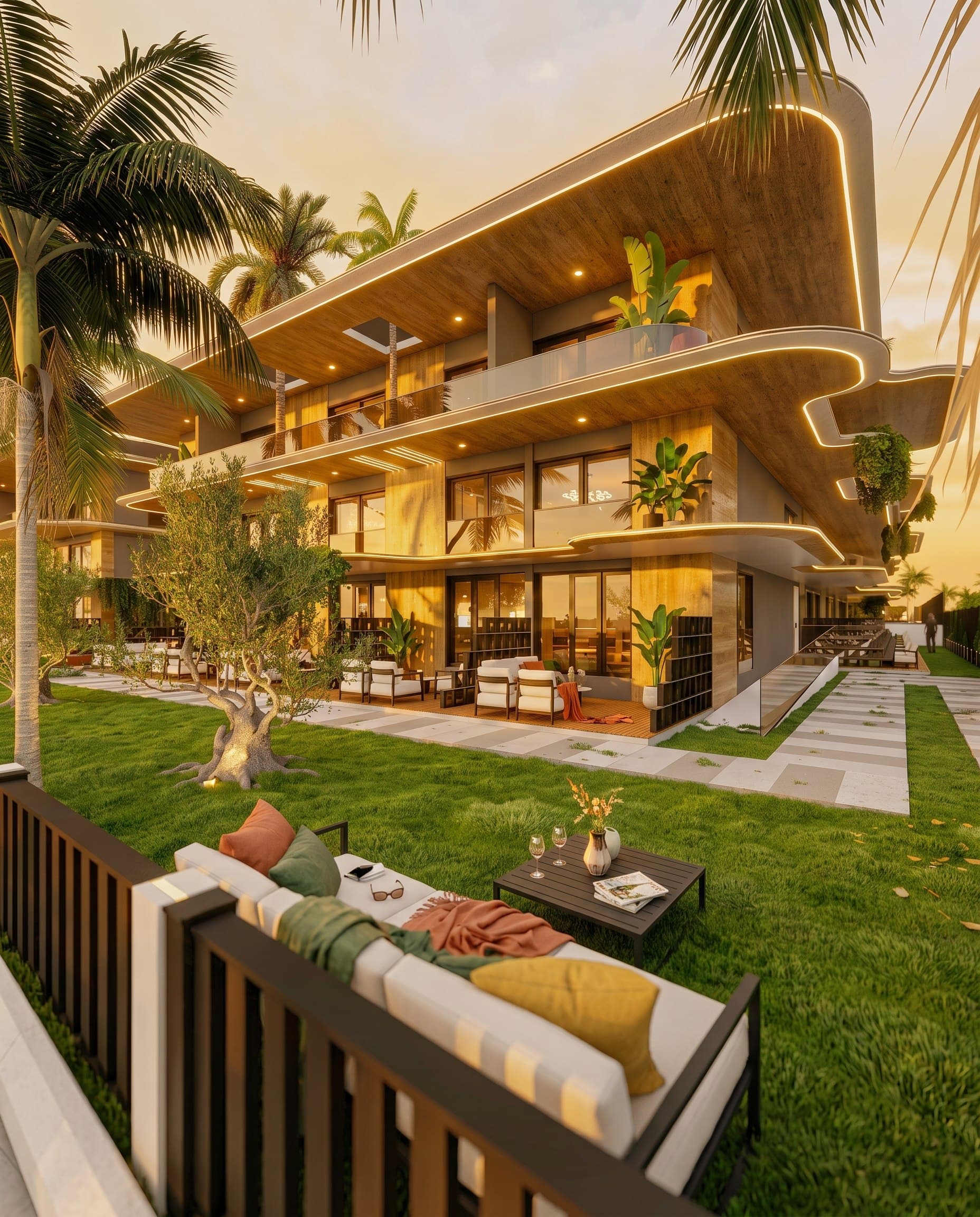
Global examples of horizontal architecture
The best-known examples of horizontal architecture appear in luxury resort and living brands. Brands like Aman Resorts and Six Senses deliberately choose low, land-spreading structures in their settlements along Bali, the Mediterranean and Aegean coasts. The aim is to keep the guest close to the earth, water and garden rather than the sky. This approach is the foundation of an aesthetic called "quiet luxury" — built on calm and scale rather than display.
Loft 777's horizontal approach
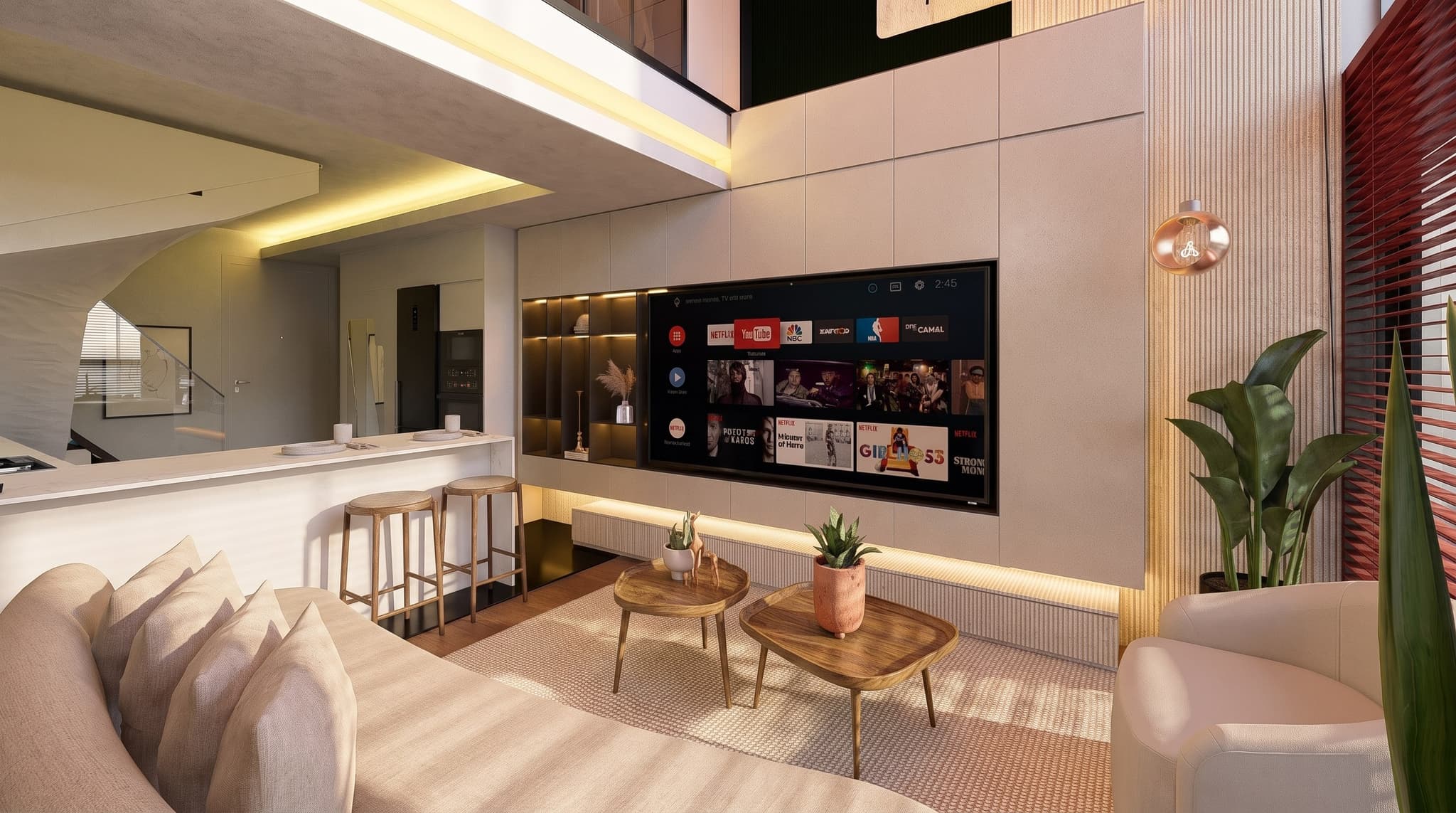
In Izmir Gaziemir, Loft 777 is designed as a horizontal layout of 5 blocks on its 8,879 m² plot. Instead of a tall tower, a settlement that spreads across the land and embraces 4,200 m² of green space was planned. A pool facing the courtyard, flats opening onto terraces and life close to the ground bring the Aegean's living culture into the project. Designing the ground floors as lofts carries the spaciousness of horizontal architecture into the flat as well: scale that spreads across the land outside, a ceiling that rises inside.
Horizontal architecture invests not in height but in closeness — to nature, to the neighbour, and to the ground.
In our next article, we cover the place where this architecture rises: everything you need to know when looking for an apartment for sale in Gaziemir.
Frequently Asked Questions
What does horizontal architecture mean?+
Horizontal architecture is a design approach where buildings are composed along width rather than height. Instead of a single high tower, lower blocks that spread across the land are preferred. The aim is not to push density upward but to keep life close to the ground and to nature.
How many floors does horizontal architecture have?+
There is no strict floor limit in horizontal architecture, but low-rise structures (ground plus a few floors) are usually preferred. What matters is not the number of floors but that the building spreads across the land rather than rising, and stays at human scale.
What are the advantages of horizontal architecture?+
Its main advantages: flats opening directly onto gardens, terraces and greenery; reduced lift dependence; more balanced daylight and air flow; strong neighbourly relations through courtyards and shared spaces; and a strong sense of belonging from the human scale.
Horizontal or vertical architecture — which is better?+
Both answer different needs. Vertical architecture provides high density on limited land and offers views. Horizontal architecture prioritises closeness to nature, shared living and human scale. The Aegean's climate and lifestyle align more with horizontal architecture as it allows open courtyards and terraces year-round.
Why is horizontal architecture preferred in the Aegean?+
The Aegean's sunny, mild climate makes open courtyards, gardens and terraces usable year-round. The region's close relationship with the street, the neighbour and nature is strengthened by a layout that keeps people near the ground. So horizontal architecture is both an aesthetic and a cultural choice for the Aegean.
Developing residential, commercial and industrial buildings in Izmir since 1998, Camsan Koparan Group is the developer of the Loft 777 project in Gaziemir. This content is prepared by the company's project team.
Explore the Loft 777 project →